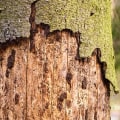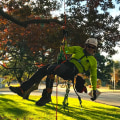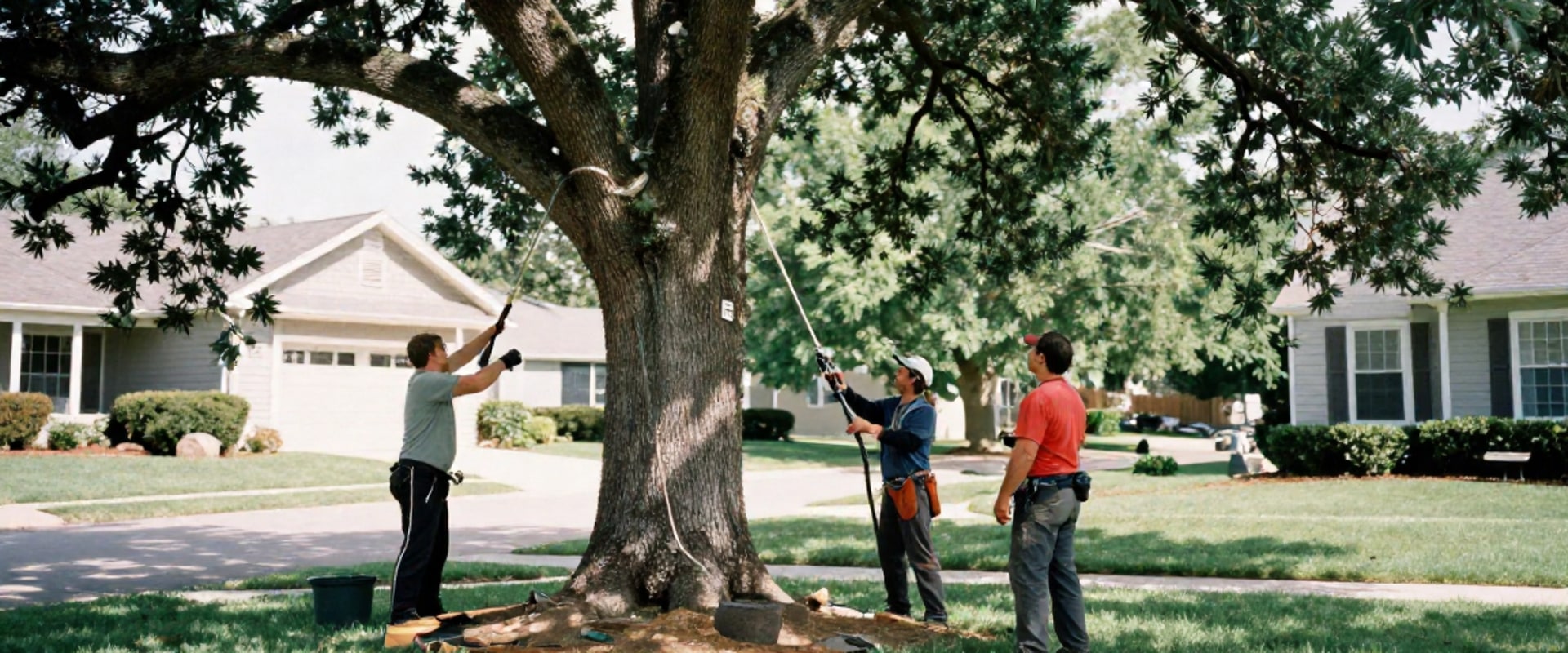
Tree care is not a one-time task but an ongoing responsibility that changes with the seasons. Trees are living systems that respond differently to weather, temperature, and environmental stress throughout the year. Seasonal maintenance ensures that trees remain healthy, structurally sound, and visually appealing while reducing the risk of disease, storm damage, or premature decline. When tree care is approached with a seasonal mindset, it becomes a proactive strategy rather than a reactive response to visible problems.
Spring: Encouraging Healthy Growth
Spring is a critical time for tree care, as trees emerge from dormancy and begin new growth cycles. Seasonal maintenance during this period focuses on inspections, light pruning, and addressing damage caused by winter weather. Removing dead or weakened branches helps direct energy toward healthy growth while improving overall structure. Early detection of pests or disease is also essential in spring, as intervention at this stage can prevent widespread damage later in the year. Proper spring care sets the foundation for strong growth throughout the warmer months.
Summer: Managing Stress and Stability
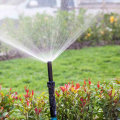
Summer presents unique challenges for trees, particularly heat stress and increased vulnerability to pests. Seasonal maintenance during this time emphasizes monitoring rather than aggressive cutting. Ensuring adequate watering, mulching to retain soil moisture, and managing overcrowded canopies all help trees cope with high temperatures. Structural assessments are also important, as rapid growth can create imbalances or weak points. Thoughtful summer care helps trees maintain stability and resilience during periods of environmental strain.
Fall: Preparing for Dormancy and Storms
Fall is one of the most important seasons for tree maintenance. As growth slows, trees redirect energy toward root systems, making this an ideal time for more substantial pruning and corrective work. Removing hazardous branches before winter storms reduces the risk of property damage and personal injury. Fall maintenance also includes clearing fallen leaves and debris that can harbor pests or disease. Preparing trees for dormancy ensures they enter winter in the strongest possible condition.
Winter: Structural Assessment and Risk Reduction
Although trees appear inactive in winter, this season offers valuable opportunities for maintenance. Without foliage, structural issues are easier to identify, allowing for precise pruning and hazard removal. Winter maintenance minimizes stress on trees while reducing the spread of disease, as many pathogens are dormant in colder months. Addressing structural weaknesses during winter helps prevent breakage under snow or ice loads and supports safer landscapes year-round.
The Role of Professional Expertise
Seasonal tree care often benefits from professional insight, especially when assessing structural integrity or identifying subtle health concerns. Trained professionals understand how different species respond to seasonal changes and can recommend appropriate maintenance strategies. Working with experienced providers such as arborists in Asheville, NC ensures that seasonal care is aligned with local climate conditions and tree varieties. This expertise helps balance aesthetic goals with long-term health and safety considerations.
Long-Term Benefits of Seasonal Maintenance
Consistent seasonal tree maintenance delivers long-term benefits that extend beyond appearance. Healthy trees are more resistant to disease, better able to withstand storms, and less likely to require emergency removal. Proper care also supports surrounding landscapes by improving soil health, managing sunlight exposure, and maintaining ecological balance. Over time, seasonal maintenance reduces costs by preventing severe damage and extending the lifespan of trees.
Protecting Property and Community Safety
Neglected trees can become liabilities, especially during extreme weather events. Seasonal maintenance helps identify and mitigate risks before they escalate. By addressing potential hazards proactively, property owners protect structures, walkways, and neighboring properties. This preventative approach contributes to safer communities and more resilient landscapes.
A Sustainable Approach to Tree Care
Tree care and the importance of seasonal maintenance go hand in hand. Each season presents specific needs that, when addressed thoughtfully, support tree health, safety, and longevity. Rather than reacting to visible decline or damage, seasonal maintenance promotes sustainability through consistent attention and informed care. By embracing a year-round approach, property owners ensure that trees remain valuable assets—enhancing landscapes, supporting ecosystems, and standing strong through every season.